

Rated 4.7 out of 5 stars
4.7 / 5


726,000+ customers
Free 60-Day Returns
1-Year Warranty
726,000+ customers
Free 60-Day Returns
1-Year Warranty
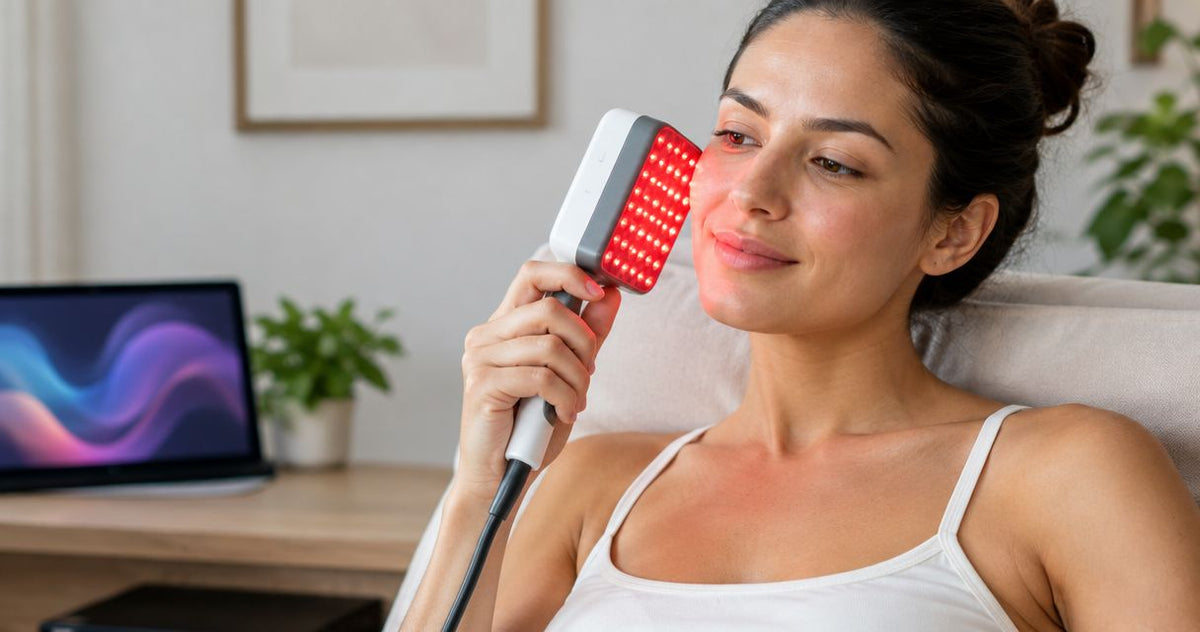
Hair-removal hyperpigmentation red light therapy is an at-home adjunct with the aim of calming visible irritation while supporting a more even-looking skin tone. The 2026 routine below explains when to start after shaving, waxing, threading, or laser hair removal, how to protect the area, and when persistent discoloration needs professional care rather than another device session. If irritation is still active, start with the guidance for red light therapy after waxing.
Dark marks after hair removal commonly fit the pattern of post-inflammatory hyperpigmentation, or PIH. Shaving, waxing, threading, plucking, and ingrown hairs can irritate the skin around a follicle. As that irritation settles, excess pigment can remain in the affected area.
This is different from treating a stable sun spot. Hair removal repeats the trigger, while tight clothing, repeated razor passes, picking, and sun exposure can keep the cycle active. A routine that focuses only on the existing mark misses the cause of the next one.
Red and near-infrared light are non-UV forms of light used in skincare devices. Research supports photobiomodulation for selected skin concerns, but direct evidence for fading hair-removal PIH remains limited. In 2026, the defensible role is supportive: use red light on calm, intact skin while addressing irritation, sun exposure, and the removal method itself.
Solawave sells FDA-cleared red light therapy skincare devices, including handheld wands and LED masks. FDA clearance applies to the cleared device and its stated indications; it does not mean every device is cleared specifically to treat post-inflammatory hyperpigmentation.
The safest routine separates fresh irritation from established discoloration. Follow the instructions supplied with your device and any aftercare directions from the professional who performed waxing, threading, electrolysis, or laser hair removal.
Do not begin while the area feels hot, tender, raw, or unusually sensitive. Freshly removed hair can leave microscopic irritation even when the surface looks normal, and adding another step immediately makes it harder to identify what caused a reaction.
The calendar matters less than the condition of your skin. A close shave with no irritation is different from a waxing session that removed surface skin or a professional laser appointment with prescribed aftercare.
Not every dark patch after hair removal is uncomplicated PIH. Ingrown hairs, folliculitis, contact dermatitis, friction, and melasma can overlap visually, but they do not call for the same plan.
Look at the sequence. A flat brown mark that appears after a bump heals fits PIH more closely than an itchy rash, a painful pustule, or a symmetrical facial patch that changes with hormonal or sun exposure.
A patch test separates device tolerance from product tolerance. Test the light device and any serum individually before combining them, especially on the underarms, bikini line, or upper lip.
Choose a small area beside the mark and follow the device instructions. Observe it for at least 24 hours before treating a larger section. A patch test cannot guarantee that irritation will never occur, but it can expose an immediate problem before the full area is involved.
A handheld device gives you more control over small or irregular areas. Solawave's 4-in-1 Radiant Renewal Skincare Wand with Red Light Therapy is an FDA-cleared at-home device for the face, neck, and jawline, making it more relevant to upper-lip, chin, and facial hair-removal marks than a fixed full-face format.
A mask covers a broad facial area with less manual movement, but its shape limits where it can be used. Neither format should be placed over broken skin, and neither replaces treatment for active folliculitis or another diagnosed skin condition.
More exposure is not automatically better. Session duration, treatment frequency, eye protection, and required skin preparation depend on the device, so copying a schedule from another product creates avoidable risk.
Use clean skin unless the instructions call for a compatible activating product. Keep the device clean, complete only the directed session, and record how the area responds before adding other active skincare.
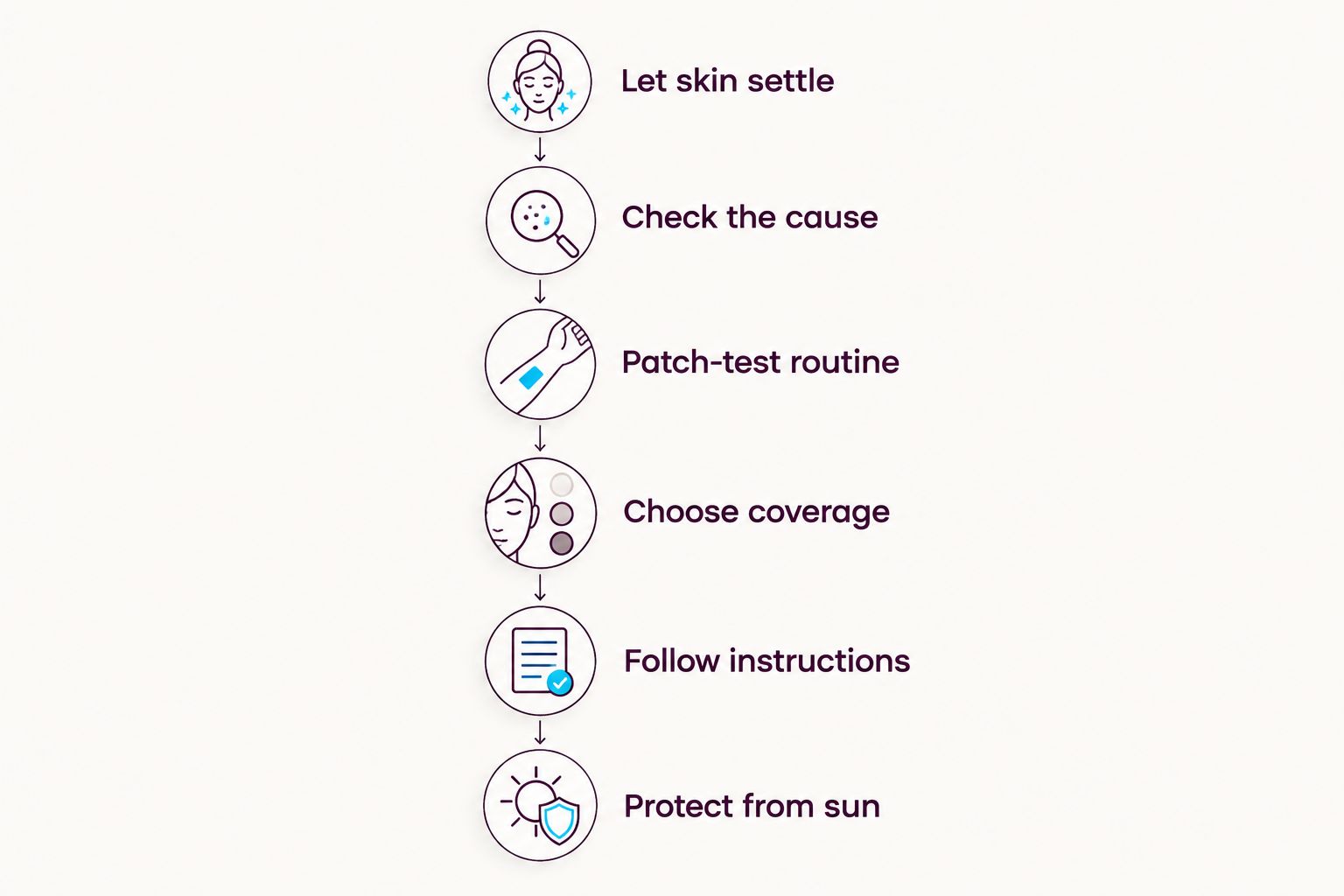
Hair-removal PIH does not need a crowded routine. A gentle cleanser, a compatible hydrating product, moisturizer, and sunscreen create fewer opportunities for irritation than stacking scrubs, acids, retinoids, and fragranced products around device sessions.
Niacinamide is commonly used in routines for uneven-looking tone, while hyaluronic acid supports hydration rather than directly removing pigment. Compatibility still depends on the formula and device instructions.
UV exposure can deepen post-inflammatory pigmentation. Use broad-spectrum SPF 30 or higher on exposed skin and reapply about every 2 hours while outdoors, as well as after swimming or heavy sweating.
Friction matters too. Tight waistbands, repeated rubbing, and unnecessary razor passes can inflame the same follicles again. This is especially relevant to the bikini line, underarms, jawline, and neck.
Pigment changes are gradual, and bathroom lighting can make a mark appear different from one day to the next. Use consistent photos to judge the routine instead of increasing exposure because a spot looks darker under different lighting.
Take each photo from the same distance and under similar light. Record hair-removal dates, device sessions, new products, and irritation so you can identify patterns. In 2026, a basic written log remains more useful than an unstructured folder of daily selfies.
Solawave options relevant to this routine include a targeted wand and compatible hydrating products. Product instructions determine where, when, and how each item should be used.


No single option fits every mark. The right choice depends on whether the skin is still inflamed, how large the area is, whether ingrown hairs are active, and whether the discoloration has a confirmed diagnosis.
| Option | Best for | Main advantage | Key limitation |
|---|---|---|---|
| Solawave handheld red light wand | Small facial areas that are calm and intact | Targeted contact on upper-lip, chin, jawline, and neck areas | Requires manual coverage and consistent use according to device instructions |
| LED face mask | Broad facial areas with no broken skin | Covers more of the face without moving a handheld device | Fixed shape does not suit small body areas or isolated spots |
| Simple skincare and sunscreen | Mild marks linked to irritation or sun exposure | Addresses hydration, UV exposure, and avoidable irritation | Does not diagnose persistent or unusual pigmentation |
| Dermatologist-directed treatment | Persistent, worsening, raised, painful, or uncertain discoloration | Provides a diagnosis and treatment selected for the pigment type | Requires an appointment and may involve downtime depending on treatment |
| Changing the hair-removal method | Marks that recur after every removal session | Targets the repeated trigger instead of only the existing color | May not fade marks that are already established |
Solawave's handheld red light therapy wand is best for consumers treating small, calm facial areas; it is not a substitute for diagnosing persistent pigmentation. That is the practical 2026 verdict: choose targeted coverage when the area fits the device, but fix repeated irritation at the same time.
A fresh red or purple mark can reflect ongoing inflammation rather than settled PIH. Adding light, exfoliants, or brightening products before the skin calms makes the reaction harder to interpret. Wait for intact, comfortable skin and seek care when symptoms are severe.
FDA clearance is specific to a device and its cleared indications. It does not establish that every red light device treats every type of hyperpigmentation. Read the stated indication and use the device only as directed.
Treating a mark while repeating dull-razor passes, picking ingrown hairs, or waxing irritated skin keeps the cycle active. Adjust technique, reduce friction, and address recurring ingrown hairs instead of relying on a device alone.
Strong acids, retinoids, scrubs, and fragranced aftercare can irritate recently treated follicles. A simple routine makes reactions easier to trace and protects the skin barrier while discoloration settles.
Hair-removal marks on the upper lip, chin, neck, arms, and legs still receive daylight. Red light contains no UV, but that does not remove the need for broad-spectrum sunscreen on exposed skin.
Does red light therapy fade hyperpigmentation from hair removal?
Red light therapy can support a routine for calm, intact skin, but evidence for directly fading hair-removal hyperpigmentation is limited. Treat it as an adjunct to sun protection, gentle skincare, and removal methods that reduce repeated irritation.
When can I use red light therapy after waxing?
Use it only after post-waxing heat, tenderness, redness, and broken skin have resolved. Follow the device instructions and the aftercare directions supplied by the waxing professional.
Can I use red light therapy immediately after shaving?
Do not use it immediately if shaving caused cuts, razor burn, warmth, or visible irritation. Wait until the skin feels normal and remains intact, then follow the device directions.
What is the best red light device for upper-lip hair-removal marks?
A targeted handheld device fits a small upper-lip area better than a fixed full-face mask. Solawave's 4-in-1 Radiant Renewal Skincare Wand is designed for the face, neck, and jawline, but persistent upper-lip pigment still needs a correct diagnosis.
Can red light therapy make hyperpigmentation worse?
Stop if a device causes sustained heat, redness, pain, or irritation because inflammation can contribute to darker marks. Correct use on calm skin and adherence to the device instructions reduce avoidable irritation.
Should I use niacinamide with red light therapy?
Niacinamide can fit a routine for uneven-looking tone if the formula does not irritate your skin and is compatible with the device instructions. Patch-test it separately before combining it with light therapy.
Is red light therapy safe for darker skin tones?
Red light is non-UV, but device suitability still depends on the product, skin condition, and instructions. People with persistent or worsening pigmentation should ask a dermatologist to confirm whether the mark is PIH, melasma, or another condition.
What is the best 2026 routine for recurring marks after hair removal?
The best 2026 routine reduces the trigger first: use a suitable removal method, avoid picking and friction, protect exposed skin with sunscreen, and use red light only on calm, intact skin. Recurring painful bumps or spreading discoloration require professional assessment.
The most useful change may happen before the red light session. Mark each hair-removal date and note whether the next dark spot follows a cut, ingrown hair, wax reaction, or tight clothing. That 2026 tracking habit shows whether the device routine is helping while exposing the repeated trigger that keeps creating new pigment.
 Acne
Acne

